What conditions should a good insulation material possess
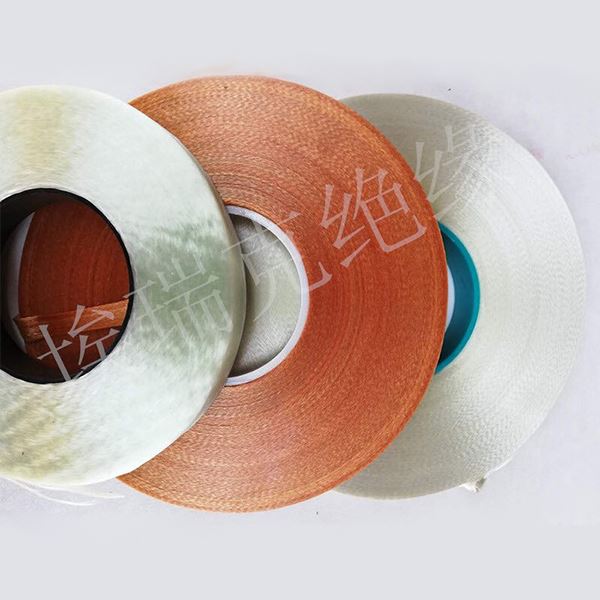
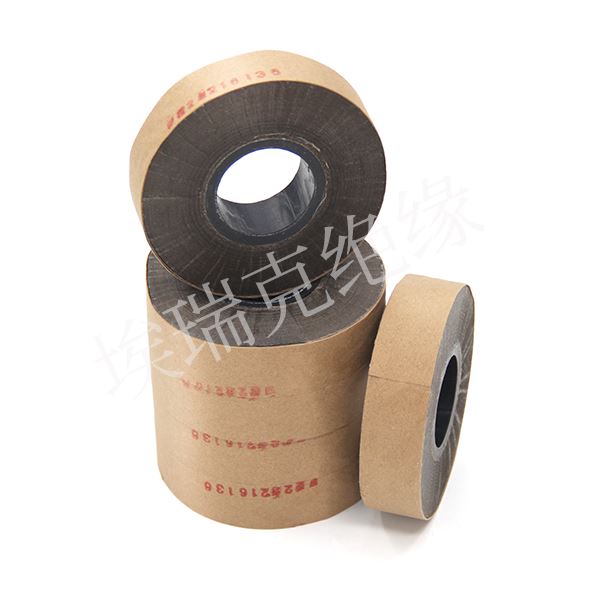
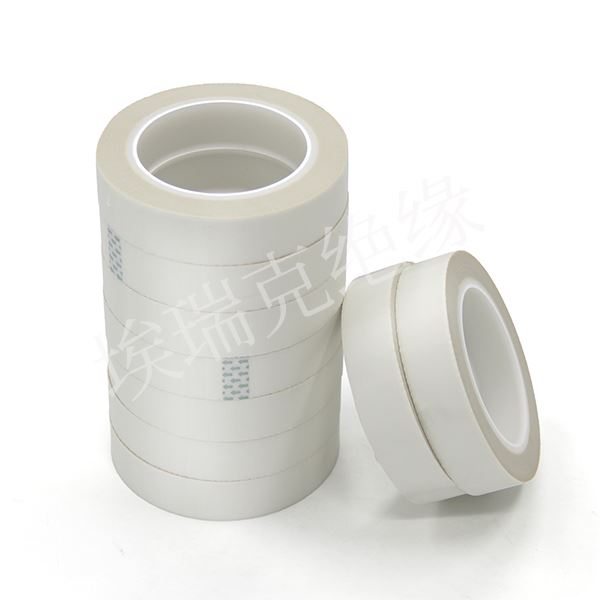
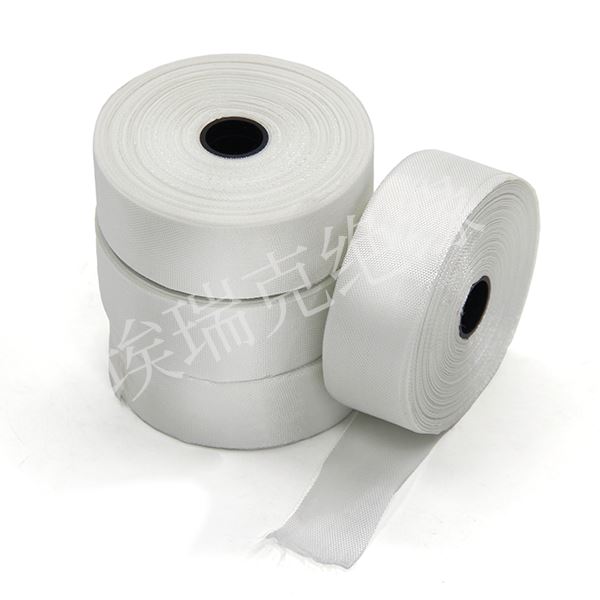
Due to its outstanding insulation strength and ease of processing, the best insulation materials are widely used for insulation in power supplies, electrical appliances, computers, and business machines. They can be insulated and shielded by bonding with copper and aluminum.
To determine the best insulation material based on its specific characteristics, it should have the following characteristics:
1. Higher insulation resistance and resistivity: Resistance is the reciprocal of conductivity, while resistivity is the resistance per unit volume. The smaller the conductivity of a material, the greater its resistance, and the reciprocal relationship between the two. For insulation materials, it is always hoped that the resistivity will be as high as possible.
2. Small relative dielectric constant and tangent of dielectric loss angle: There are two uses of insulation materials: mutual insulation of various components in electrical networks and dielectric (energy storage) of capacitors. The former requires a small relative dielectric constant, while the latter requires a large relative dielectric constant. Both require a small dielectric loss angle tangent, especially for insulation materials used at high frequency and high voltage. In order to reduce dielectric loss, insulation materials with a small dielectric loss angle tangent are required.
3. A sufficiently high breakdown voltage and electrical strength: Under a strong electric field, the insulation material undergoes damage, loses its insulation performance, and becomes conductive, which is called breakdown. The voltage at breakdown is called the breakdown voltage (dielectric strength). Electrical strength is the quotient of the voltage at which breakdown occurs under specified conditions and the distance between the two electrodes subjected to applied voltage, which is the breakdown voltage per unit thickness. For insulation materials, the higher the breakdown voltage and electrical strength, the better.
4. Good tensile strength: refers to the large tensile stress that the specimen bears during tensile testing. It is the most widely used and representative test for the mechanical properties of insulation materials.
5. Strong flame resistance: refers to the ability of insulating materials to resist combustion when in contact with flames or to prevent further combustion when leaving flames. With the increasing application of insulation materials, the requirement for their flame resistance becomes more important. People use various means to improve and enhance the flame resistance of insulation materials. The higher the flame resistance, the better its safety.
6. Has excellent arc resistance: The ability of insulating materials to withstand the action of arcs along their surfaces under specified test conditions. During the experiment, AC high voltage small current is used to determine the arc resistance of the insulation material by the time it takes to form a conductive layer on the surface of the insulation material through the arc generated between the two electrodes under high voltage. The larger the time value, the better its arc resistance.
7. Good sealing: Good sealing and isolation for oil and water quality.